
PLN 1,000 (2%)Shortfall: PLN 49,000

“I want everyone to keep their fingers crossed for you and know how strong you are, Mom.”
These were the words spoken by Monika’s eight-year-old son. At school, he told everyone about his mom’s illness. When she asked him why, she heard these simple words. From that moment on, Monika stopped feeling ashamed of her illness.
These were the words spoken by Monika’s eight-year-old son. At school, he told everyone about his mom’s illness. When she asked him why, she heard these simple words. From that moment on, Monika stopped feeling ashamed of her illness.
The body gave the signal
Toward the end of August, Monika felt a sharp pain in her left breast. Fluid began to ooze from her nipple. She felt anxious, and a thought crept into her mind that she tried to push away as far as possible. She tried to cling to the hope that it wasn’t anything serious. The following weeks, however, brought tests, biopsies, and a growing sense of anticipation. Finally, the diagnosis came: invasive left breast cancer, HER2 ultra-low. The Ki67 index indicated very high disease activity.
The treatment offers no respite
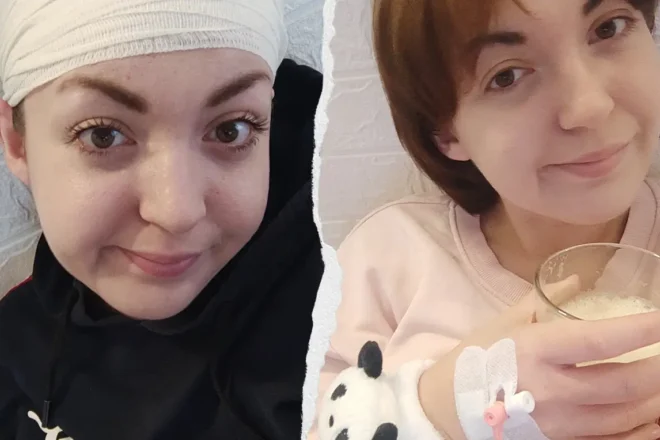
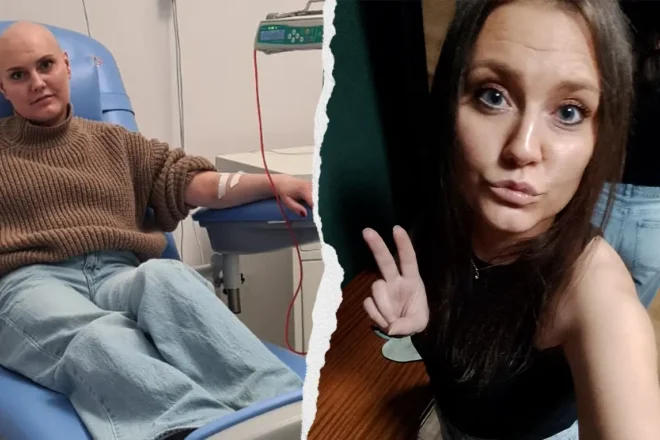
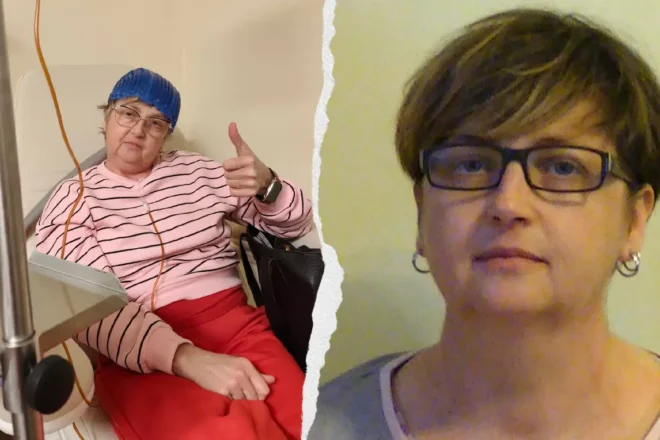
Chemotherapy began in November. First came four cycles of so-called “red chemotherapy,” administered every two weeks. Her hair began to fall out very quickly. She experienced extreme weakness, muscle pain, and the loss of her toenails. After just the first round of chemotherapy, her body went into menopause. Her body began to change. From a woman full of energy, Monika became someone who has to learn the new limits of her own strength every day.
Then came twelve more rounds of white chemotherapy, administered weekly. Along with them came neuropathy: tingling in my hands and feet, hand tremors even at night, knee pain, and painful skin lesions.
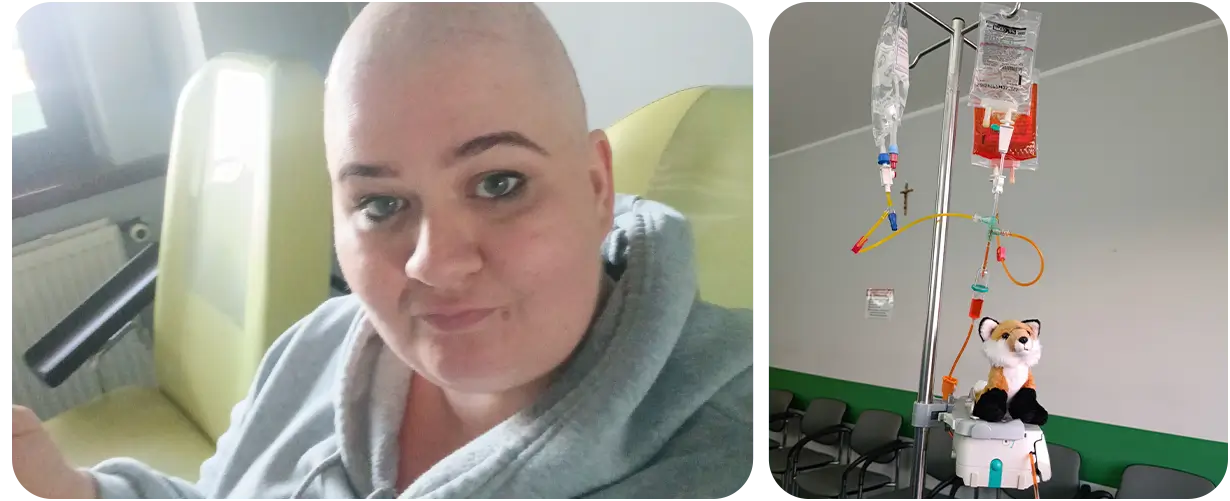
April 17: surgery
On April 16, Monika will be admitted to the hospital. The next day, the doctors will perform a mastectomy on her left breast.
An expander will be inserted during the surgery. Reconstruction is planned for several months from now. If the deformity is too severe, surgery on the other breast may also be performed to restore the body’s balance and relieve pressure on the spine. The doctors will decide on further treatment after the surgery. A consultation is scheduled for May, during which a decision will be made regarding possible radiation therapy. Monika is also participating in a clinical trial examining the impact of treatment on the heart. She undergoes detailed cardiac examinations on a regular basis.
The house must continue to function
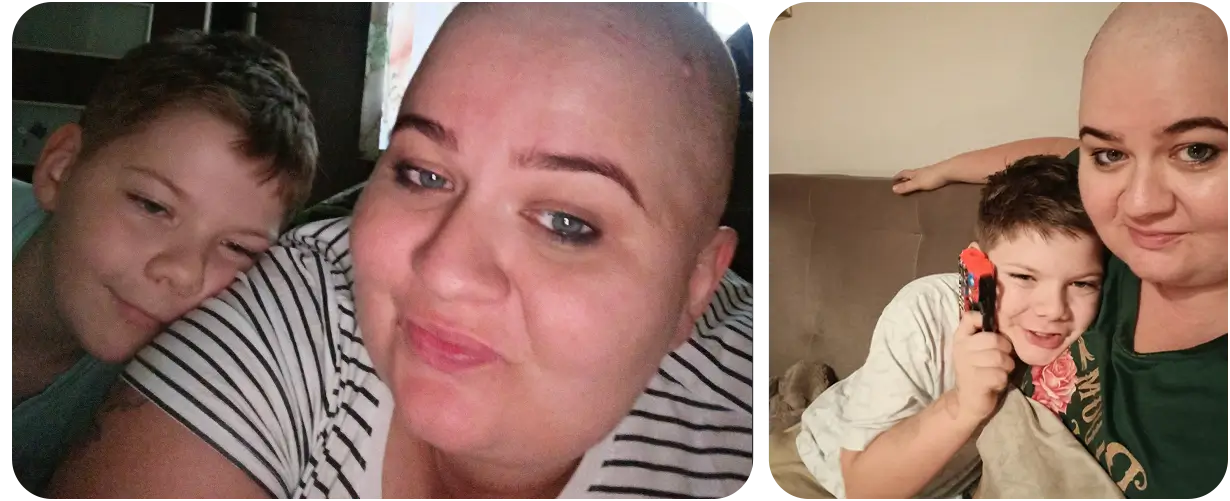
Monika lives in Bytom with her husband and two children —an eight-year-old son and a thirteen-year-old daughter. Her husband works shifts, so most of the daily responsibilities still fall on her.
Monika’s parents are getting on in years, and her father has battled cancer himself. Although they would like to help more, Monika doesn’t want to burden them too much. Fortunately, in the midst of her difficult daily life, she can count on the kindness of a friend and a neighbor, who help her with everyday tasks.
The hardest part, however, is the feeling of losing her independence. Work was an important part of Monika’s life and gave her a great sense of fulfillment. Today, she lives on a rehabilitation allowance.
Everyday Life in a New Rhythm
Monika learned of the diagnosis three days before her daughter’s birthday. Children understand a lot, but they are still too young to bear the full weight of this situation. There are days of defiance and exhaustion from the long treatment. Every day can look different. There are moments of relative calm, but there are also times when the body suddenly stops cooperating, and the fragile balance of everyday family life begins to falter.
Back to the seaside
Monika loves the Polish seaside. A year ago, she took her children to the Baltic Sea for the first time. Since then, the sea has become a shared passion for them. Walking along the seashore, swimming, and feeling the wind on her face—these are moments she would love to experience many more times with her children. Today, treatment is the top priority, but the thought of returning to the sea is one of those small hopes that help her keep going.
Cancer treatment takes a huge toll on the body and places a heavy financial burden on patients. Every gesture of support helps Monika focus on her recovery, her children, and the life she still wants to live to the fullest.
“I want everyone to keep their fingers crossed for you and know how strong you are, Mom.”
These were the words spoken by Monika’s eight-year-old son. At school, he told everyone about his mom’s illness. When she asked him why, she heard these simple words. From that moment on, Monika stopped feeling ashamed of her illness.
These were the words spoken by Monika’s eight-year-old son. At school, he told everyone about his mom’s illness. When she asked him why, she heard these simple words. From that moment on, Monika stopped feeling ashamed of her illness.
The body gave the signal
Toward the end of August, Monika felt a sharp pain in her left breast. Fluid began to ooze from her nipple. She felt anxious, and a thought crept into her mind that she tried to push away as far as possible. She tried to cling to the hope that it wasn’t anything serious. The following weeks, however, brought tests, biopsies, and a growing sense of anticipation. Finally, the diagnosis came: invasive left breast cancer, HER2 ultra-low. The Ki67 index indicated very high disease activity.
The treatment offers no respite
Chemotherapy began in November. First came four cycles of so-called “red chemotherapy,” administered every two weeks. Her hair began to fall out very quickly. She experienced extreme weakness, muscle pain, and the loss of her toenails. After just the first round of chemotherapy, her body went into menopause. Her body began to change. From a woman full of energy, Monika became someone who has to learn the new limits of her own strength every day.
Then came twelve more rounds of white chemotherapy, administered weekly. Along with them came neuropathy: tingling in my hands and feet, hand tremors even at night, knee pain, and painful skin lesions.
April 17: surgery
On April 16, Monika will be admitted to the hospital. The next day, the doctors will perform a mastectomy on her left breast.
An expander will be inserted during the surgery. Reconstruction is planned for several months from now. If the deformity is too severe, surgery on the other breast may also be performed to restore the body’s balance and relieve pressure on the spine. The doctors will decide on further treatment after the surgery. A consultation is scheduled for May, during which a decision will be made regarding possible radiation therapy. Monika is also participating in a clinical trial examining the impact of treatment on the heart. She undergoes detailed cardiac examinations on a regular basis.
The house must continue to function
Monika lives in Bytom with her husband and two children —an eight-year-old son and a thirteen-year-old daughter. Her husband works shifts, so most of the daily responsibilities still fall on her.
Monika’s parents are getting on in years, and her father has battled cancer himself. Although they would like to help more, Monika doesn’t want to burden them too much. Fortunately, in the midst of her difficult daily life, she can count on the kindness of a friend and a neighbor, who help her with everyday tasks.
The hardest part, however, is the feeling of losing her independence. Work was an important part of Monika’s life and gave her a great sense of fulfillment. Today, she lives on a rehabilitation allowance.
Everyday Life in a New Rhythm
Monika learned of the diagnosis three days before her daughter’s birthday. Children understand a lot, but they are still too young to bear the full weight of this situation. There are days of defiance and exhaustion from the long treatment. Every day can look different. There are moments of relative calm, but there are also times when the body suddenly stops cooperating, and the fragile balance of everyday family life begins to falter.
Back to the seaside
Monika loves the Polish seaside. A year ago, she took her children to the Baltic Sea for the first time. Since then, the sea has become a shared passion for them. Walking along the seashore, swimming, and feeling the wind on her face—these are moments she would love to experience many more times with her children. Today, treatment is the top priority, but the thought of returning to the sea is one of those small hopes that help her keep going.
Cancer treatment takes a huge toll on the body and places a heavy financial burden on patients. Every gesture of support helps Monika focus on her recovery, her children, and the life she still wants to live to the fullest.
2,785 PLN (6%)Shortfall: 47,215 PLN
1,021 PLN (2%)Shortfall: 48,979 PLN
3,203 PLN (6%)Shortfall: 46,797 PLN
24,470 PLN (49%)Still needed: 25,530 PLN
13,923 PLN (28%)Shortfall: 36,077 PLN
3,240 PLN (4%)Shortfall: 76,760 PLN
PLN 1,720 (6%)Shortfall: PLN 28,280
