
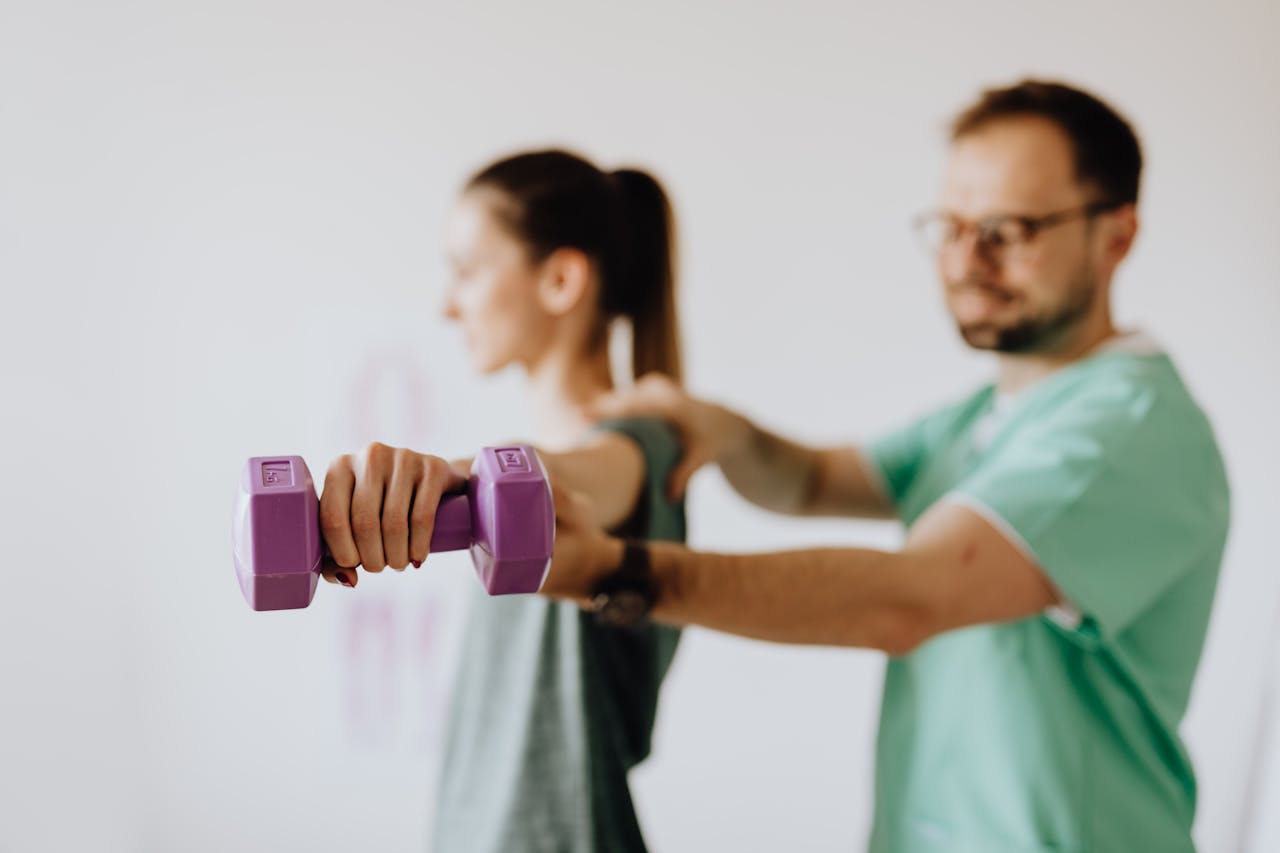
Is exercise good for your health? There’s a lot of truth to that statement. Many people skip exercise when they have cancer. Some of them are afraid that they will harm themselves, and that physical activity will further weaken their bodies. Others lose their motivation to exercise. There is also a group of patients who are unable to train at their previous level, so they give up on exercise entirely. Is that a good thing? Definitely not!
Physical Activity and Cancer
Oncological rehabilitation is an important part of every stage of a patient’s treatment and recovery. Immediately before treatment, it helps prepare the patient for the physical demands ahead. During treatment, it helps alleviate stress, fatigue, and pain. Physical activity following cancer treatment, on the other hand, is the best way to improve the patient’s physical and mental well-being and to speed up their recovery.
Cancer rehabilitation often involves additional medical expenses. Funds raised through medical fundraising campaigns can provide financial support in such situations.
Check out: fundraisers for cancer patients.
Is it okay to exercise during chemotherapy?
Exercise during cancer treatment is not just a recommendation—it’s a medical necessity. Of course, you should consult your doctor before starting any physical activity. The type and intensity of exercise should be tailored to your needs and abilities. It’s much easier and more enjoyable to motivate yourself to exercise if it involves an activity you enjoy. Also, remember to stop exercising if you notice any concerning symptoms.
When should you avoid exercising if you have cancer?
There are no absolute contraindications to engaging in physical activity when you have cancer. The choice of activity is limited by the patient’s age and health status, including comorbidities, bone metastases, or anemia. If you have a fever and feel unwell, postpone your activity until another day. Also stop exercising if you feel weak, experience pain and/or dizziness, progressive tingling and weakness in your limbs, shortness of breath, or balance problems. Consult your doctor about your health.
Check out: how to choose a cancer foundation.
What exercises are safe for people with cancer?
Oncology rehabilitation should be carried out in consultation with the attending physician and/or a physical therapist. The safest exercises for cancer patients at home are breathing exercises and walking. Both activities help relieve stress-induced tension and calm racing thoughts.
Other exercises commonly practiced by people with cancer include yoga, swimming, Nordic walking, calisthenics, and cycling—provided, of course, that there are no medical contraindications. In fact, even light gardening can help keep both the body and mind healthy.

Does exercise help treat cancer?
Yes, studies show that exercise during cancer treatment can influence cancer treatment outcomes and speed up recovery after therapy. Regular physical activity reduces risk factors for recurrence, such as obesity, inflammation, abnormal sex hormone levels, and insulin resistance. Let’s take a closer look at the relationship between physical activity and cancer.
How does exercise affect recovery from cancer?
Recovery from cancer is a time when you need to take care of your body and mind. Many patients struggle with depression after treatment. The body is weakened, and physical fitness is often reduced.
Oncology rehabilitation helps you regain control of your body and mind, step by step. During exercise, your body produces endorphins, also known as “happiness hormones.” Exercising helps you relieve stress and anxiety and improves your mood. Exercise also helps you combat the side effects of treatment, including limited mobility, chronic pain, swelling, and difficulties with coordination.
With every workout, you regain a sense of control. You’re also boosting your immune system and fighting chronic fatigue. You’re becoming more and more independent, which helps you prepare to return to work after cancer and take on household responsibilities.
Exercise for cancer patients in palliative care improves their comfort and lifts their spirits. It alleviates pain, helps maintain physical function, and may even help prolong their lives.
Sports bring people together!
Regardless of the intensity or type of exercise you do, you can encourage your loved ones to work out with you. Staying physically active is a valuable part of preventive health care. Working out with someone else is also a great way to bond.
At Cancer Fighters, sports challenges have become a way to support our patients’ fundraising efforts. If you feel up to the challenge or can encourage your loved ones to support these initiatives, we invite you to join us in spending time together actively to help fight cancer. Every sports challenge contributes financially to a patient’s treatment and offers an opportunity to meet new people.
Bibliography
- Physical activity, onkologia.gov.pl, accessed May 4, 2026.
- Urszula Parnicka, "Physical Activity in the Prevention and Treatment of Cancer," onkologiapodyplomie.pl, accessed May 4, 2026.
- Justyna Szpunar, Bożena Karczmarek-Borowska, “Physical Activity in Cancer,” *Problems in Applied Sciences*, 2018, Vol. 8, pp. 185–192.