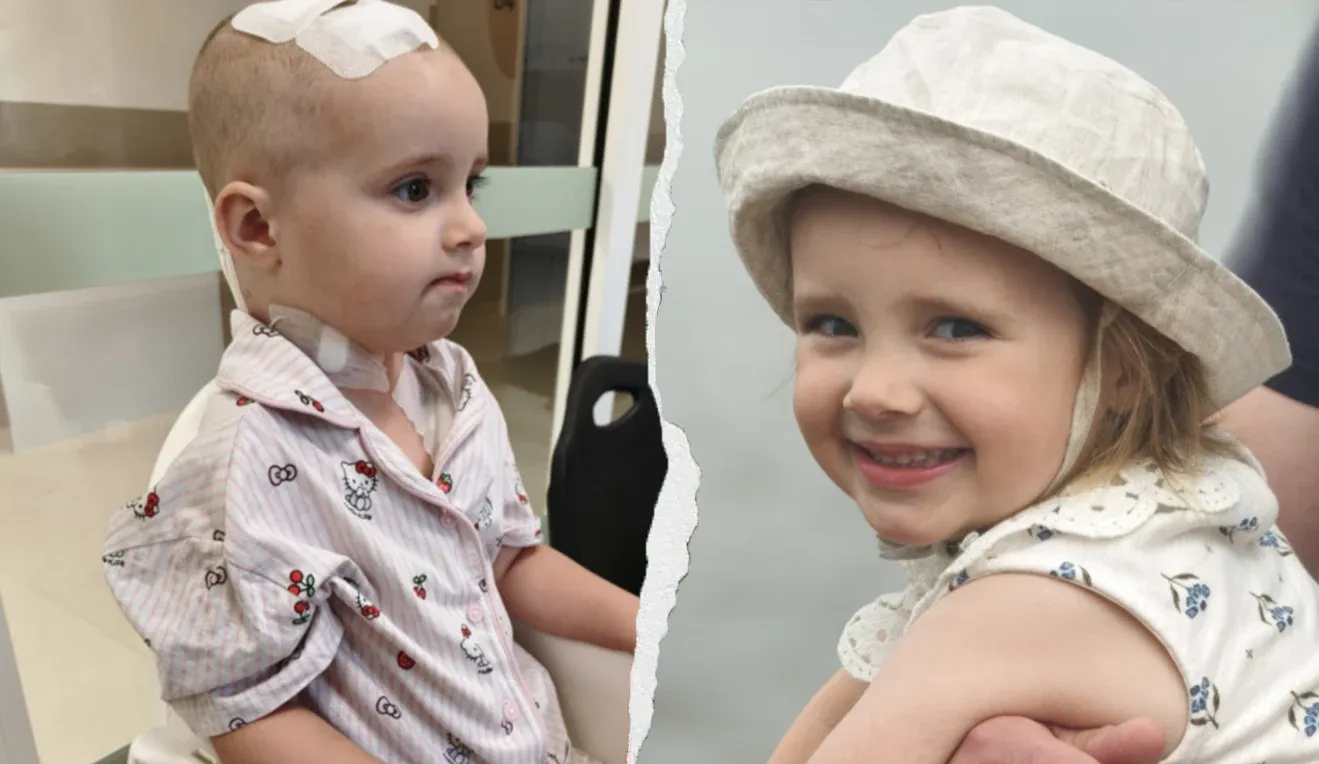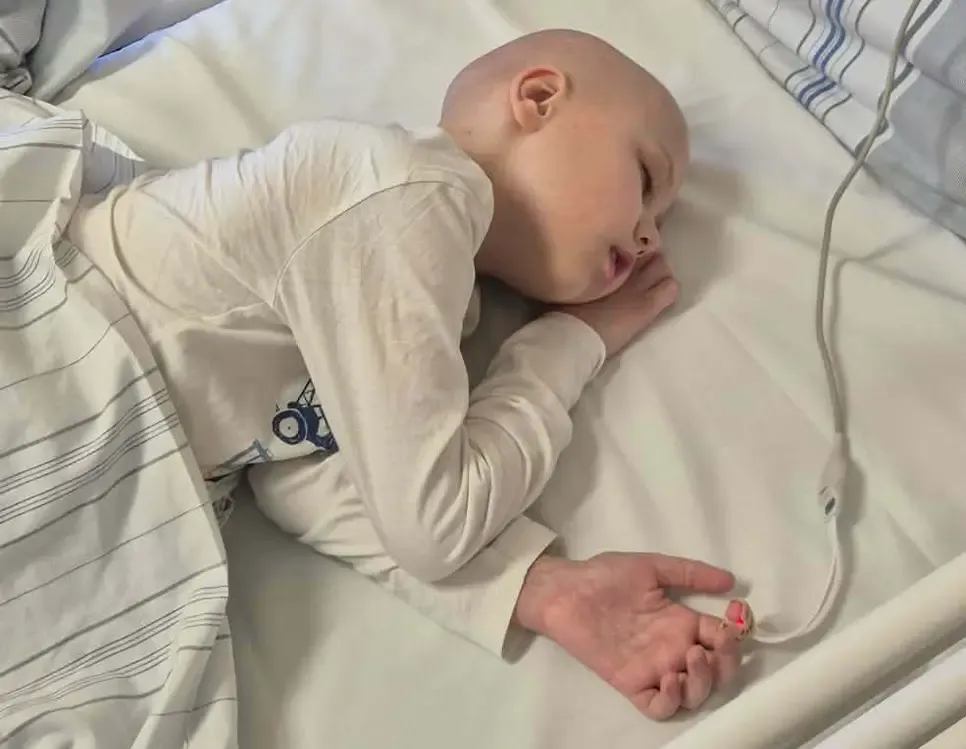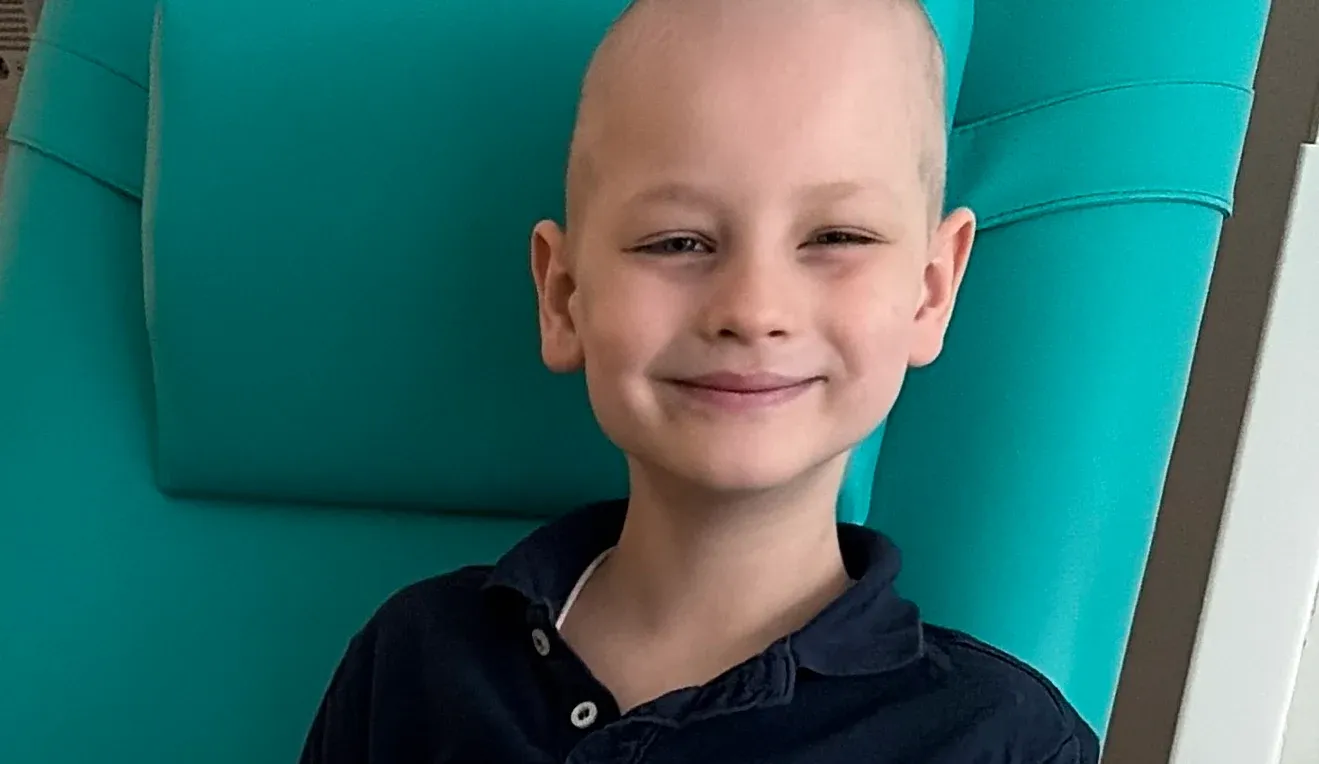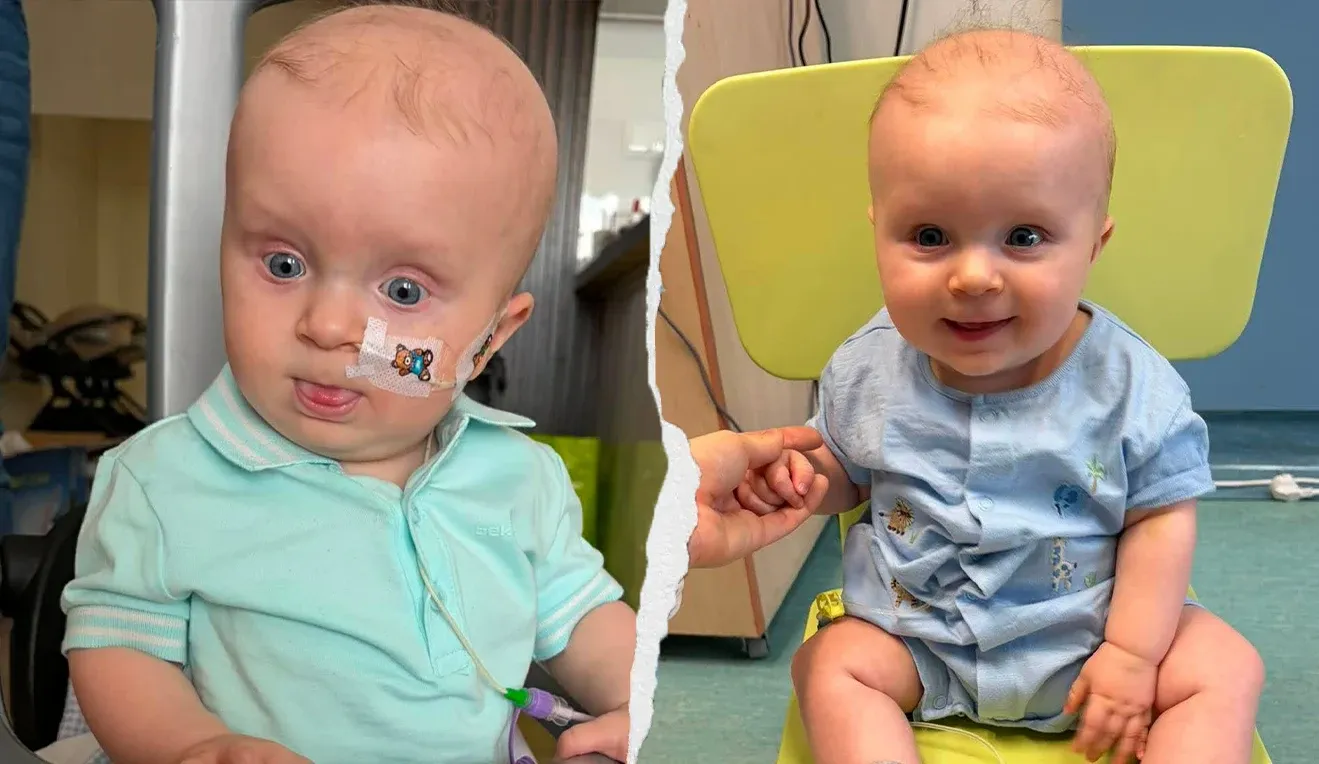

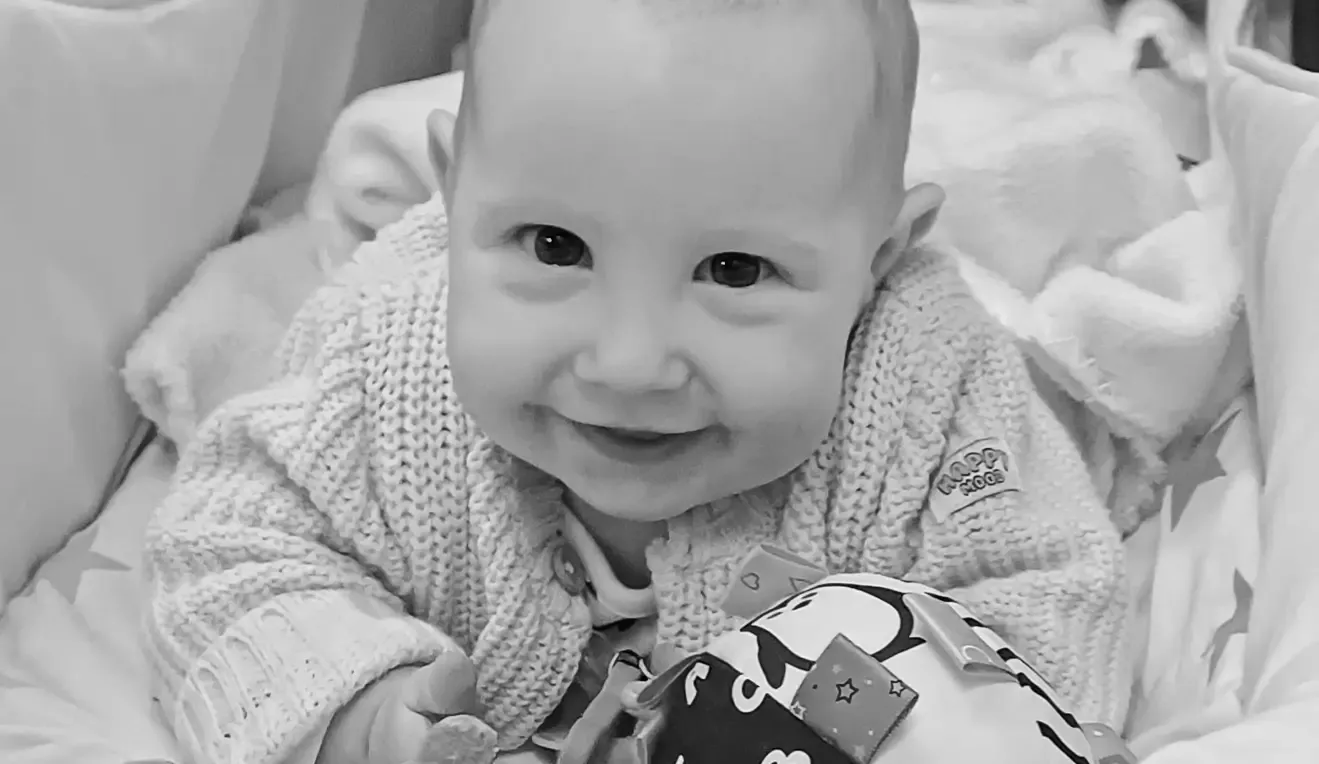
Z ogromnym smutkiem żegnamy Frania...
Key Information
BENEFICIARY
Franciszek Pietryka
DIAGNOSIS
Mięsak
AGE
5 years
LOCATION
Polska
Fundraiser verified
Confirmed medical documentation
Updates
May 10, 2026
Update
Z wielkim smutkiem żegnamy Franciszka
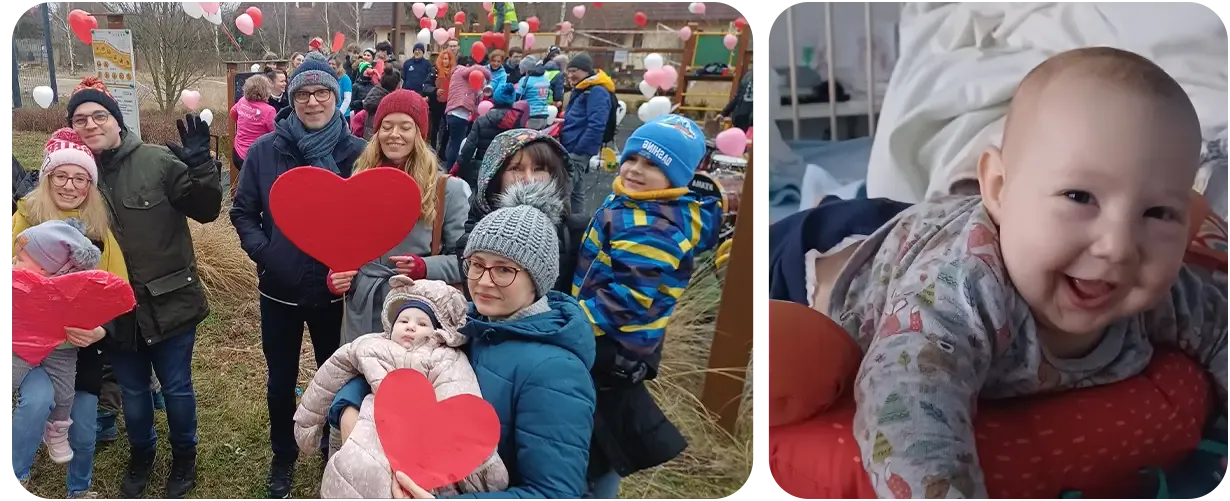
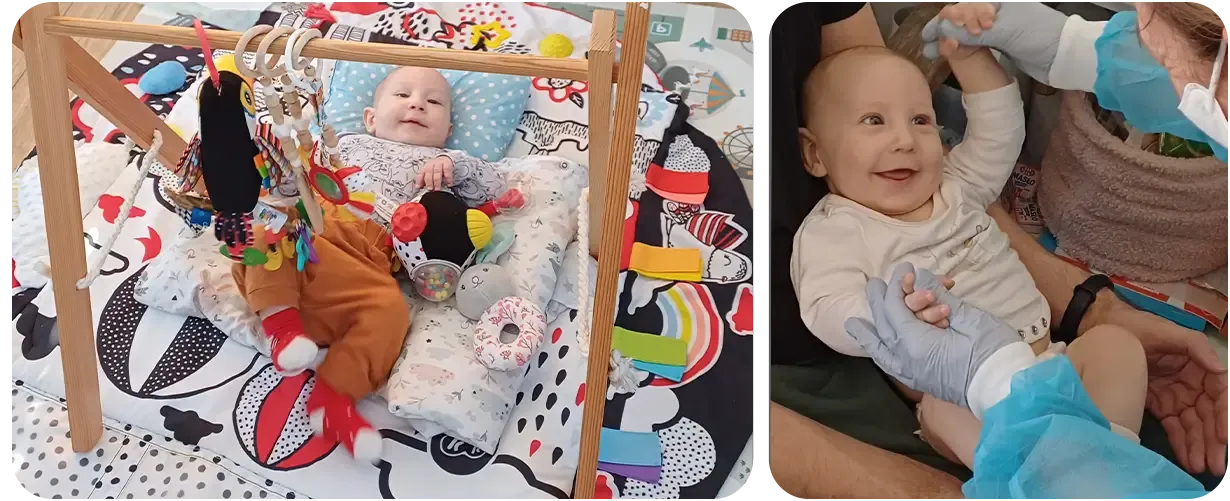
Ostatnie dwa miesiące nauczyły nas więcej, niż byliśmy gotowi przyjąć. Pokazały, jak szybko zwyczajna codzienność potrafi stracić swój znany kształt. Po siedmiu tygodniach w szpitalu dostaliśmy przepustkę. Upragniony tydzień w domu.Nazwaliśmy to „wakacjami”, choć szybko okazało się, jak bardzo to słowo nie pasuje do naszej rzeczywistości. Za tą chwilą oddechu stały lepsze wyniki i najważniejsza dla nas informacja - guz się zmniejsza. Droga do tego momentu była jednak trudna. Dzień wyjścia wielokrotnie przesuwano.
My Story
Odszedł zbyt wcześnie, pozostawiając po sobie trwały ślad dobroci
Naczyniak, ale do obserwacji
Franciszek przyszedł na świat 21 października 2025 roku. Był wyczekany, maleńki, spokojny. Pierwszy krzyk, pierwsze spojrzenia, pierwsze chwile, które miały układać się w zwyczajną opowieść o początku życia. Na jego łopatce widoczna była zmiana skórna. Została zakwalifikowana jako naczyniak. Rodzice usłyszeli, że wystarczy obserwacja i kontrola za kilka miesięcy. Bez pośpiechu. Bez alarmu. Bez pilności. W listopadzie zmiana zaczęła się jednak powiększać. Pojawił się niepokój. Wykonano badanie USG. Wynik nie wskazywał jednoznacznie na coś groźnego, ale zalecono dalszą konsultację. Rodzice poszli za intuicją. Nie uspokoili się półsłówkami. Zrobili kolejny krok.
Dzień przed Wigilią
23 grudnia Franek został zbadany przez profesora chirurgii. Zapadła decyzja o wykonaniu badań kardiologicznych, które miały potwierdzić możliwość włączenia leczenia propranololem. Wciąż mówiono o naczyniaku. Wciąż nie padło to jedno słowo, którego nikt nie chce usłyszeć. Tydzień później, 30 grudnia, zmiana zaczęła krwawić. Rodzice nie czekali. Pojechali na SOR. Franek został natychmiast skierowany na oddział chirurgii. Rana wymagała pilnego zaopatrzenia. Sylwestra i kolejne dni spędzili w szpitalu przy ulicy Fieldorfa we Wrocławiu. Badania kardiologiczne zostały wykonane poza oddziałem, a jeszcze tego samego dnia Franek wrócił do szpitala. Tam rozpoczęto leczenie propranololem. Nowy rok przywitali w szpitalnych murach, w czasie uważnej obserwacji dziecka. Sprawdzano, jak organizm reaguje na lek, codziennie zmieniano opatrunek podkrwawiającej zmiany i czuwano, czy leczenie nie przynosi skutków ubocznych. Pytania pozostawały bez odpowiedzi.
Leczenie nie przyniosło odpowiedzi
9 stycznia Franek został wypisany ze szpitala z zaleceniem pilnej kontroli 13 stycznia. Czujność rodziców nie pozwoliła jednak na ulgę. Podczas wizyty kontrolnej profesor od razu zauważył brak reakcji na zastosowane leczenie. Decyzja była jednoznaczna. Natychmiastowa hospitalizacja. Od 14 stycznia Franek pozostaje nieprzerwanie w szpitalach. Nie było zwłoki. 15 stycznia wykonano biopsję. Cztery dni później, stojąc przy łóżeczku trzymiesięcznego dziecka, rodzice usłyszeli diagnozę: mięsak. Złośliwy nowotwór tkanki łącznej i miękkiej klatki piersiowej.
Trzymiesięczny pacjent onkologii
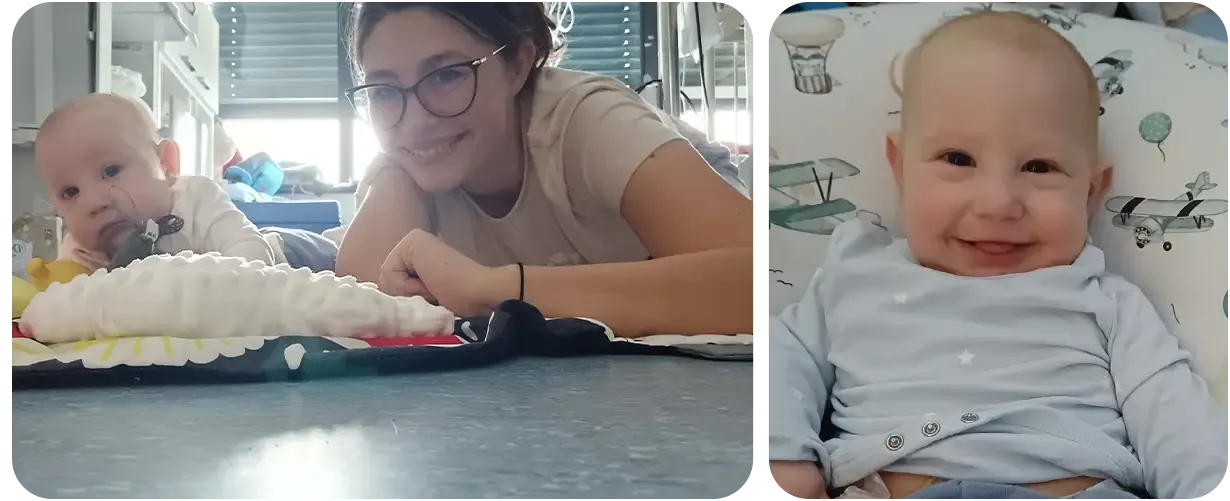
Od tamtej chwili Franek przebywa w Przylądku Nadziei we Wrocławiu. Za nim są już badania USG, dwa rezonanse magnetyczne, pobranie szpiku. Dwa przetoczenia krwi z powodu niskiej hemoglobiny. Cewnik. Wkłucie udowe. Sześć znieczuleń ogólnych. Sześć narkoz w ciągu trzech miesięcy życia. Maleńkie ciało obciążone chemioterapią, antybiotykami i sterydami. Procedury, które nie powinny dotykać niemowlęcia, stały się jego codziennością.
„Patrzenie na to, jak tak małe dziecko przechodzi przez kolejne procedury, boli w sposób, którego nie da się opisać.”
Obecnie diagnoza mięsaka nie jest jeszcze w pełni określona. Część typów nowotworu została wykluczona, jednak wciąż trwają specjalistyczne badania genetyczne. Próbki zostały wysłane do Łodzi, a ostateczne rozpoznanie ma zostać postawione w ciągu najbliższych dwóch tygodni. Dopiero wtedy możliwe będzie wdrożenie leczenia celowanego, dopasowanego do konkretnego typu choroby. Na ten moment Franek otrzymuje chemioterapię, której celem jest zatrzymanie rozwoju guzów. Niestety wykryto również przerzut do węzłów pod pachą. Obecne leczenie pomaga i ma utrzymać chorobę w ryzach do czasu, gdy możliwe będzie zastosowanie bardziej precyzyjnej terapii.
Rodzina przy łóżeczku
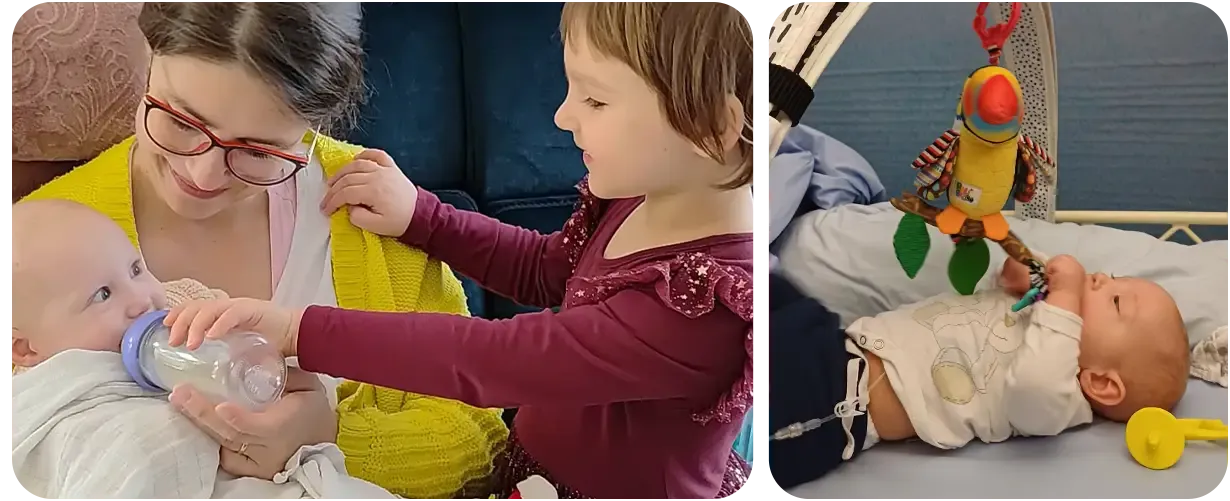
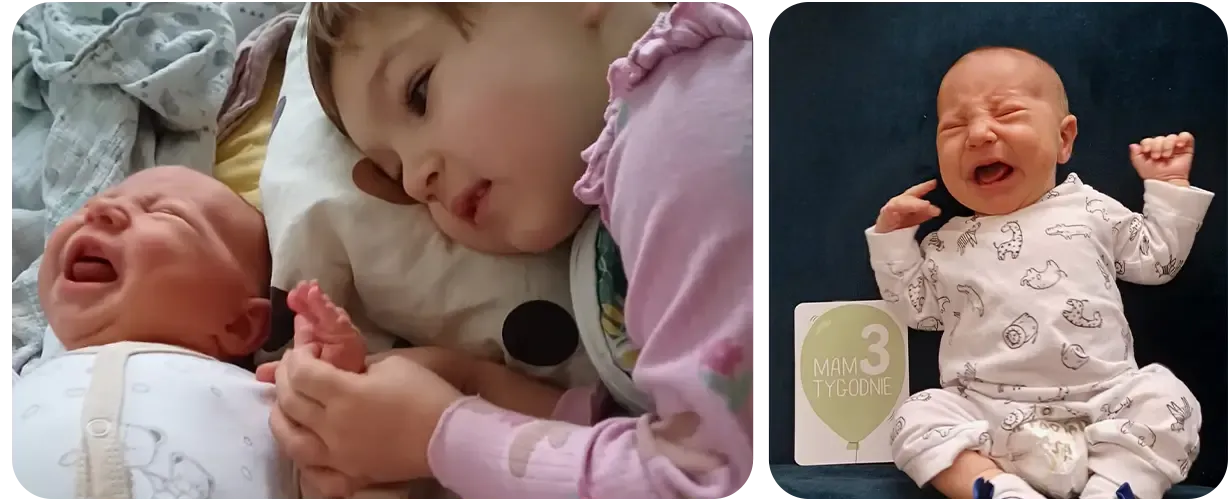
Mama Frania jest na urlopie macierzyńskim i praktycznie nie opuszcza szpitala. Tata wziął urlop, by być blisko. Dziadkowie wspierają rodzinę na tyle, na ile pozwalają siły i codzienność. Każdy dzień to logistyka obecności, zmęczenie i lęk, który nie znika nawet wtedy, gdy dziecko śpi. Jest też Łucja. Starsza siostra Frania. Ma trzy i pół roku. Codziennie odwiedza mamę i braciszka. Jest dzielna, choć nikt nie uczy trzylatków, jak oswajać szpitalne sale i widok niemowlęcia podłączonego do aparatury.
Codzienność, która przerasta
Choroba sama w sobie jest ciężarem, który trudno unieść. Jeszcze trudniejsze jest patrzenie, jak własne dziecko zmienia się pod wpływem leczenia. Jak reaguje na chemioterapię i sterydy, jak płacze przy kolejnych wkłuciach. To codzienność, w której nie ma nic naturalnego. Jest czuwanie, strach i nadzieja, że maleńkie ciało udźwignie to wszystko i nie przestanie walczyć.
Pomoc
Zbieramy środki na nierefundowane leki, rehabilitację oraz suplementację, które są niezbędnym elementem dalszego leczenia Frania. Prosimy o wsparcie dla trzymiesięcznego dziecka, które zbyt wcześnie stało się pacjentem onkologii, i dla jego rodziców, którzy każdego dnia próbują skleić resztki normalności w rzeczywistości, która nie daje wytchnienia.
W tej historii, która pisze się przy niemowlęcym łóżeczku, liczy się obecność. Każda ma swój ciężar i swoje znaczenie.
Donations and words of support
Jakub, Klaudia
05/29/2026
50 zł
Anonymous
05/02/2026
20 zł
Cancer Fighters Fundacja
04/29/2026
Razem nie przegramy tej walki!
23,388 zł
Marek
04/29/2026
20 zł
Andrzej Szuster
04/29/2026
Wygramy z nim Franio , ♡♡♡
100 zł
Anonymous
04/28/2026
Franiu , piękny chłopczyku niech Pan Bóg otoczy Ciebie i Twoją Rodzinę swoją opieką. Zdrowiej maluszku❤️
400 zł
Comments
Other fundraisers
They also need your help
.png?2026-07-21%2014%3A12%3A55.113%2B00)