
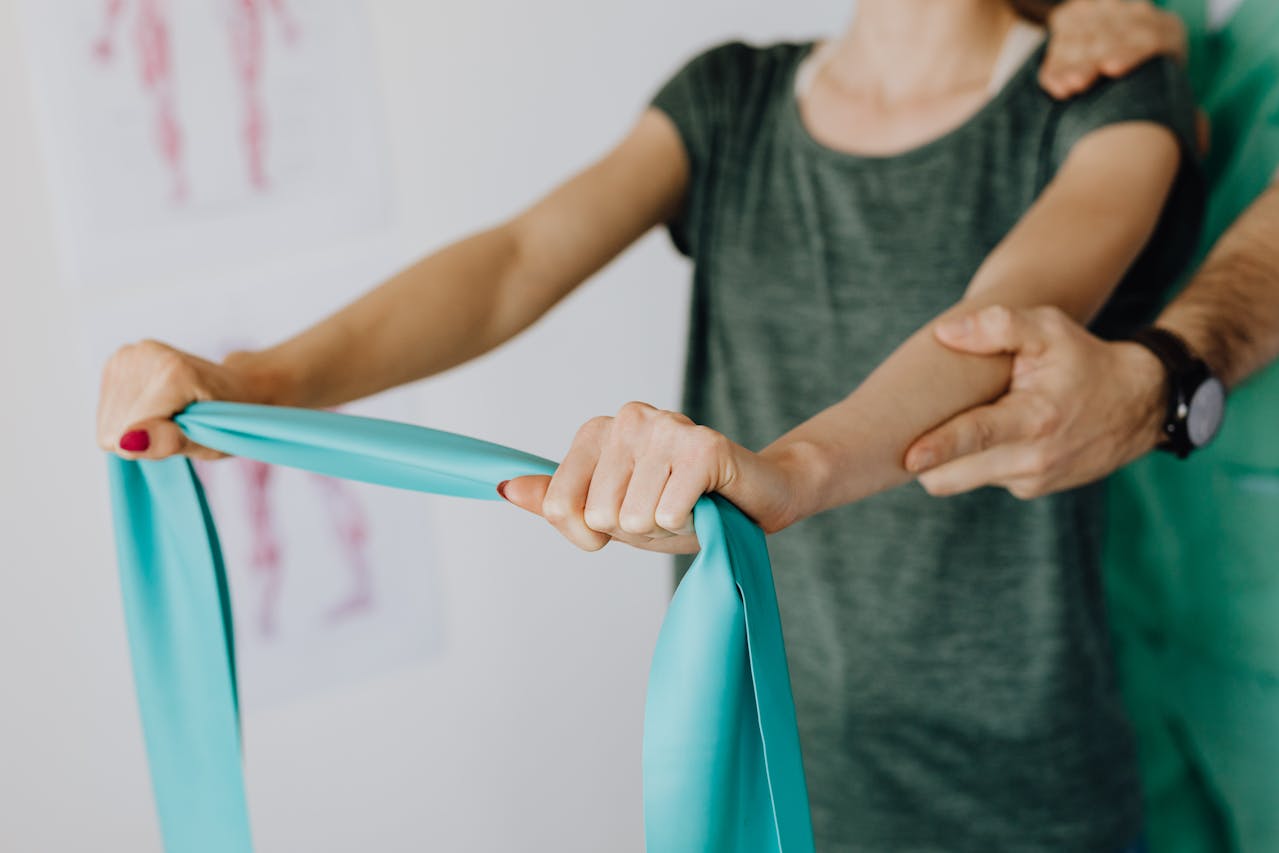
Have you finished your cancer treatment? That’s wonderful news! It’s time for a new chapter in your life. An important part of the recovery process is post-cancer rehabilitation. Contrary to what you might think, it’s not just about exercise and diet. It’s a series of steps that will help you cope with complications following cancer treatment, improve your quality of life, and reduce the risk of recurrence. Find out what recovery from cancer and how to get the support you need to get through it.
The end of cancer treatment. What’s next?
Cancer treatment is a process that takes a heavy toll on the body. The therapy is carried out in stages, and the patient knows what the next step in their recovery will be. Scheduled appointments, check-ups—everything is planned out. In fact, the daily routine of the patient and their loved ones is often entirely dictated by the therapy.
The end of cancer treatment and recovery from cancer is a moving moment that every patient looks forward to. It also marks the beginning of a new chapter in life—a time to adjust to a new daily routine. However, life after beating cancer doesn’t follow a set schedule. The lack of a clear roadmap can leave patients feeling lost.
Recovery from cancer is a time to establish a new routine around follow-up visits and checkups. After completing treatment, patients must take care of their daily habits and lifestyle—including sleep, a healthy and balanced diet, and physical activity tailored to their needs and abilities. While you’ll be given the dates for your appointments and tests, you’ll need to take care of the rest on your own. On your own doesn’t mean without support, though.
Why is support still needed after treatment ends?
Recovering from cancer is a time of change and challenges in a patient’s life. Many people feel isolated at this stage, but are afraid to ask for support yet again. This includes both emotional and financial support, as well as simply the attentive presence of loved ones.
Cancer rehabilitation is expensive. These costs place a heavy strain on household budgets, which are already stretched thin by cancer treatment. That is why it is so important to provide patients with adequate support after cancer treatment and help them adjust to daily life. This is a task that an oncology foundation can undertake.
Check out: how to choose a cancer foundation.
Is rehabilitation necessary after cancer treatment?
Yes, oncology rehabilitation is one of the key components of recovery from cancer. Its goal is to improve the patient’s physical and mental well-being and ensure the best possible quality of life after treatment. Rehabilitation following cancer treatment is not limited to exercise under the supervision of a physical therapist. Recovery from cancer should also include psychological and social rehabilitation.
Why is post-cancer rehabilitation important?
Many people struggle with complications following cancer treatment. This treatment is often radical and involves surgery. Patients may experience limited range of motion, delayed wound healing, keloid formation, lymphedema, or struggle with pain and muscle tension. Individualized post-cancer rehabilitation alleviates or eliminates these health issues, helps patients regain control over their bodies, and promotes independence in daily life.
Recovering from cancer is also a matter of psychological support. Cancer patients face significant stress on a daily basis. This stress arises at the time of diagnosis, during treatment, after treatment ends, and while waiting for follow-up test results. Taking care of one’s emotional well-being is crucial for both mental and physical health.
Oncological rehabilitation also involves providing practical support—such as education and teaching new habits (e.g., healthy eating habits). These efforts impact not only the patient’s current life but also their future. A healthy, balanced lifestyle reduces the risk of developing diseases.
Social rehabilitation after cancer includes assistance with finding employment and financial support—everything needed to return to social and professional life. This, in turn, helps patients regain a sense of agency and control over their lives.
What are the needs of patients after cancer treatment?
Recovery from cancer can vary, and so will the needs of individual patients. It is important to talk with them to determine what challenges they are facing and what kind of support they need.
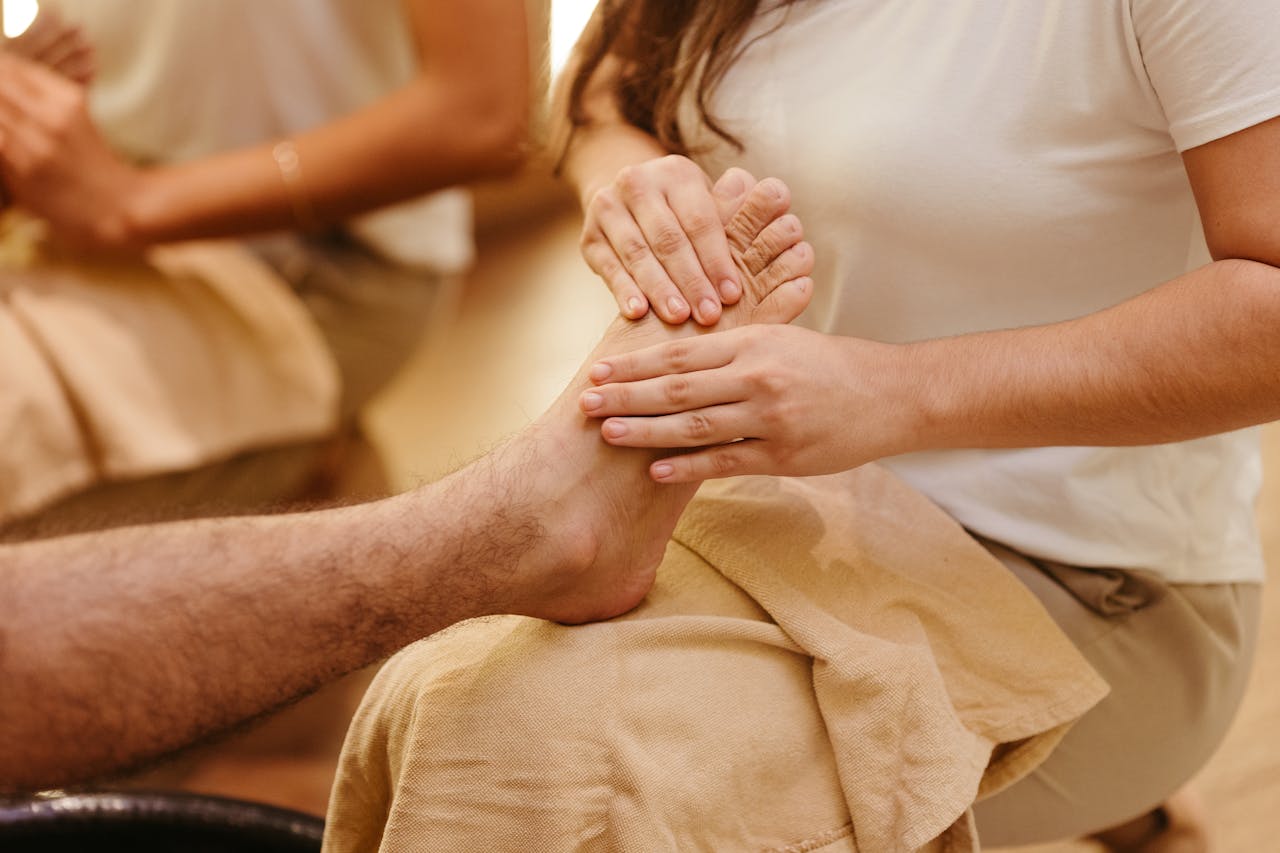
Physical rehabilitation is the cornerstone of oncology rehabilitation. Physical therapy can only begin after obtaining approval from the physician overseeing the oncology treatment. An experienced physical therapist will assess the patient’s health and develop a personalized treatment plan. This may include physical exercises, massages, manual therapy, physical therapy treatments, or relaxation exercises.
Psychological support following cancer treatment may include individual or group therapy, as well as participation in support groups run by cancer foundations. Yoga, breathing exercises, music therapy, and other activities that help reduce stress and alleviate associated muscle tension.
Social rehabilitation includes career counseling, assistance with changing careers (securing funding for training courses), and support in reintegrating into social life.
Many patients are eager to seek advice from dietitians. Some people opt for scar treatments and procedures designed to reduce their visibility. People who have undergone limb or breast amputations need financial assistance to pay for prosthetics or orthopedic devices.
Rehabilitation costs following cancer treatment
Recovering from cancer is a process that takes time and patience and involves additional costs. The amount of these costs depends on the course of recovery. Some of them can be covered by the benefits to which cancer patients are entitled. Unfortunately, this is only a drop in the bucket compared to their needs. Support for recovery after cancer can be obtained from an oncology foundation. Funds raised through charity drives can be allocated not only to the diagnosis and treatment of cancer patients, but also to their rehabilitation and recovery after cancer.
Check out: fundraisers for cancer patients.
How long does it take to recover from cancer?
Recovering from cancer is a highly individual process. For some people, it takes a few months; for others, it can take several years. The duration of the process depends on the patient’s overall health, the disease they have faced (the type of cancer and its stage), the treatment they have undergone, and their access to oncology rehabilitation.
Find out: where to seek help for someone with cancer.
If you or someone close to you needs help with cancer treatment or recovery, please contact us. The Cancer Fighters Foundation has been supporting cancer patients for years, regardless of their age or the type of cancer. We provide medical and psychological support, and help with fundraising. Join us today!