
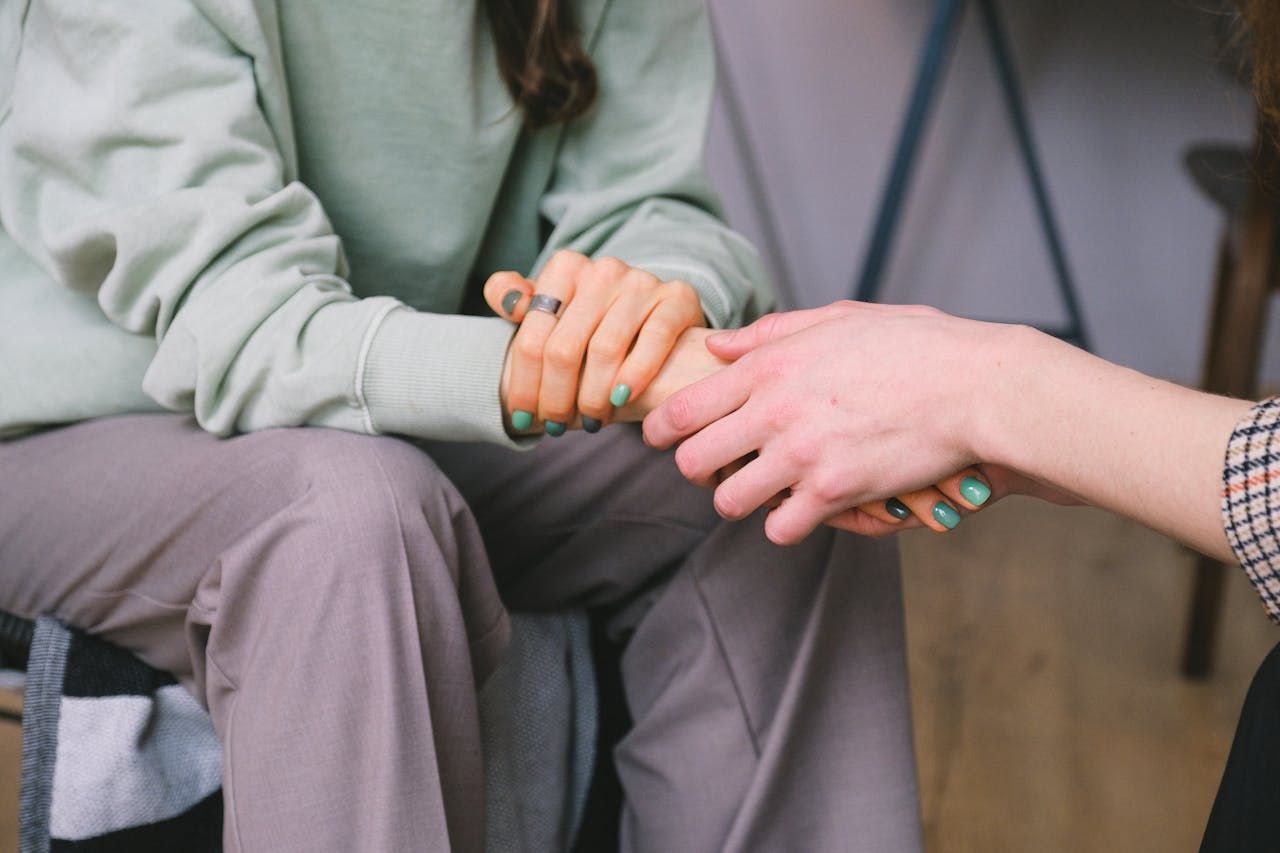
A cancer diagnosis affects every sphere of the patient's life. The support of loved ones and specialists allows him to provide comprehensive care that affects his daily comfort. Opportunities for support do not end with raising funds for treatment. It's also - and perhaps most importantly - attentive presence, emotional support and small gestures that will make the fight against the disease easier. Check out how to support people suffering from cancer.
Comprehensive care for the cancer patient
What comes to mind when you think of cancer treatment? Certainly chemotherapy, radiation therapy, surgery. However, treating a cancer patient is not just "body therapy." Treatment must be approached holistically for it to be successful. Comprehensive cancer care is the only way to give the patient the best possible quality of life. So that he does not feel alone in his fight against the disease.
The cooperation of specialists in various medical fields and the patient's relatives is very important. However, the most important thing in all this is to listen to the needs of the cancer patient. These, in turn, will not always be spoken out loud.
Check: How to support people with cancer.
What do cancer patients need?
The news of the disease carries a huge emotional charge, and it is the presence of loved ones and their emotional support that is most important. Sometimes the patient needs to have a quiet time together, sometimes to talk about his anxieties and fears about the future. The loved ones should be a refuge for him, but when discussing psychological support, it is also worth considering other needs of cancer patients. We're talking primarily about support groups that operate at cancer foundations and hospitals/hospitals. These can be discussions with other cancer patients or people who have already beaten the disease and motivate patients to fight cancer. Shared experiences and emotions bring people very close. Very often, cancer patients only in conversation with other patients open up about their fears and feel a full understanding of their emotions.
Cancer Fighters is a a foundation for cancer patients providing psychological care for cancer patients and their families. If you or a loved one needs emotional support in the fight against the disease, you can count on us.
Forms of oncology assistance
Oncology therapy is a process individually tailored to the patient's needs and condition. To enhance its effects, it is worth reaching out to sister forms of oncology support. Which ones?
Oncology dietetics
Disease and treatment often reduce a patient's appetite or limit his or her dietary choices. Changing the diet is therefore not so much an option, but usually a requirement. It is worthwhile to carry out a modification of the menu under the guidance of a doctor. He will take into account the patient's changing test results and appetite. The right diet for a person with cancer is a diet that strengthens and regenerates the body, affecting the patient's mood and results.
Psychooncology
Emotional support from loved ones and support groups for a person with cancer are not the only ways to help patients. It is worth considering the care of a psycho-oncologist, a specialist in caring for people with cancer. Sometimes just one conversation can make a difference in the patient's well-being, sometimes the patient himself asks for regular meetings. One thing is certain - in the fight against cancer, the patient's attitude, hope and motivation to overcome the disease are extremely important.
Oncology physiotherapy
Exercises, massages, breathing and relaxation therapies - physiotherapeutic forms of oncological assistance can be used at any stage of the disease. It is not only a way to improve the physical health, but also the mental health of the oncology patient. It is worth reaching for it in the early stages of treatment. Accumulated emotions often lead to tension in the body, and this in turn affects the patient's range of motion and pain complaints.

How else can you help?
Pay attention to daily affairs. In the flurry of information and medical appointments, a cancer patient may need help with completing medical records, scheduling consultations or contacting specialists, among other things.
Even if therapy does not involve hospitalization, a person with cancer devotes all his physical and mental energy to fighting the disease. Domestic chores can become an additional burden for her. For patients, independence is very important, but everyone has better and worse days, when the help of another person is invaluable. Why not establish a new division of responsibilities, tailored to the patient's current abilities?
Worse condition, deterioration of range of motion, skin or hair problems. These are just some of the possible side effects of cancer treatment and progressive disease. Sometimes the possibilities for help focus on everyday little things. Buying dermocosmetics for sensitive skin. Installing a handrail on the stairs so she can feel safer. Installing a non-slip mat in the bathtub or chair, or a special handle in the shower to facilitate daily personal hygiene.
Check: charity collection ideas.
How else can you help without spending money?
Together! Invite family, friends, colleagues of the sick person from work or school to join in. The more people involved in helping, the better. Numerous supports also send a clear message to the patient - I am important, they care about me, they remember me. This is especially important when a child is struggling with cancer, for whom contact with peers is crucial for proper development.
Check: How to get your school involved in helping a sick child.
Not everyone can afford financial assistance. However, this does not mean that they are excluded from other support opportunities. Cancer patients can be supported, for example, by helping to organize a fair, charity events. Promote the collection. You can put up for auction your handicrafts, books, toys. Take part in actions to help cancer patients, for example, in a charity run.
Check: cancer relief campaigns.
A person with cancer who is in isolation will certainly be very happy to see cards from loved ones or a video recorded by friends or neighbors. The charges of our foundation confirm that such gestures make a huge difference and give strength to fight the disease!
Volunteering - priceless help
By devoting your free time to helping them, you are giving them much more than you think. Attention and presence. Volunteering can take many forms, such as visiting patients in hospitals or foundations. Many patients - because they are away for treatment - have to limit contact with family and loved ones, but their social needs are as important as proper diet or exercise. Volunteering also means helping to organize charity events, corporate events where collections for treatment will be conducted. You're sure to find something that fits your abilities!